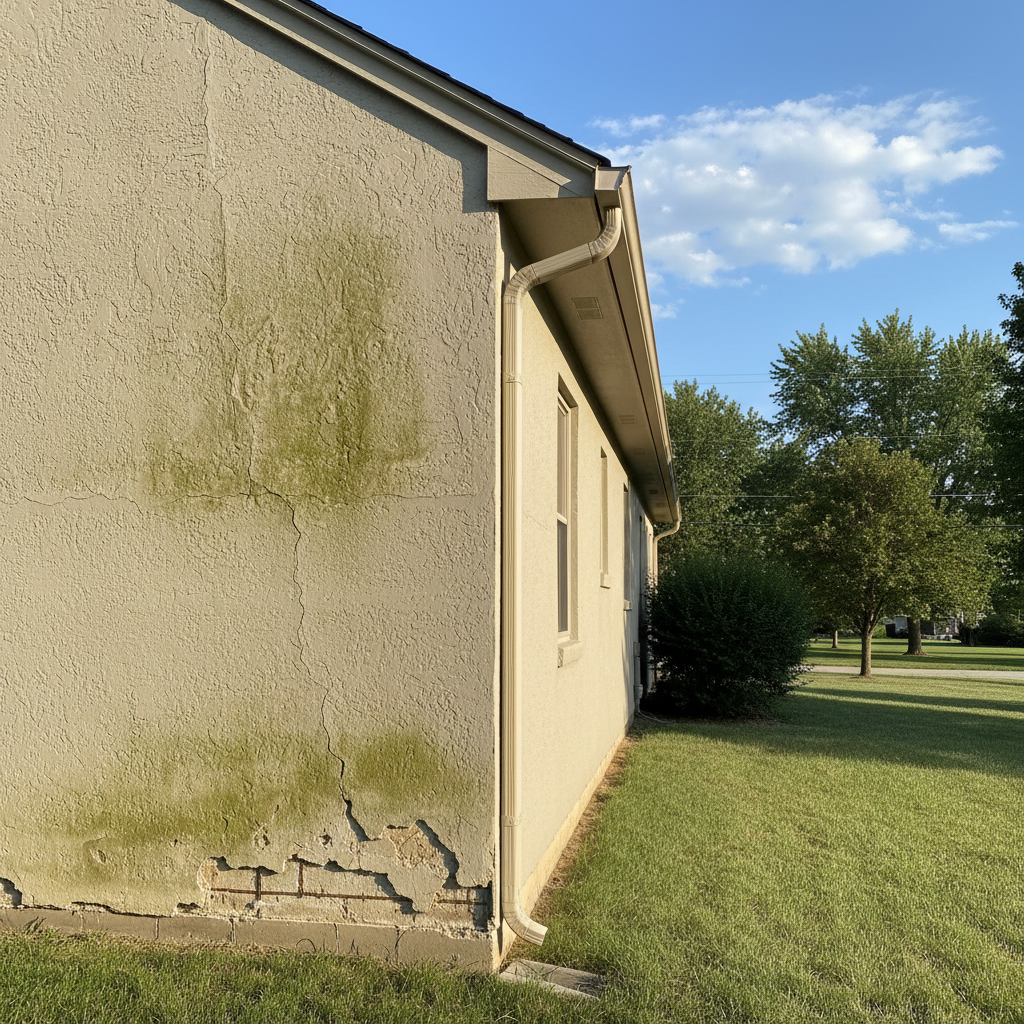
So, your stucco's looking a little tired, huh? Maybe it's faded, got some hairline cracks, or you just want a fresh new look. When folks in Topeka call me about sprucing up their stucco, one of the first things we talk about is redashing. It's not just slapping on another coat; it's about picking the right material for our Kansas weather and your home.
There are two main ways to go about it: the traditional cement-based approach, and the more modern acrylic system. Both have their place, but they're definitely not the same. Let's dig into what you need to know.
Traditional Cement-Based Stucco Redash
This is the classic stuff, the kind that's been around for ages. It's basically a mix of Portland cement, sand, lime, and water. When we're redashing with this, we're applying a fresh layer of this mixture over your existing stucco. Sometimes it's called a 'fog coat' or a 'dash coat' depending on how thick it is and the texture we're going for.
Cost
Generally, traditional cement redashing is going to be your more budget-friendly option upfront. The materials themselves are less expensive than acrylics. Labor costs can be a bit variable depending on the prep work needed, but for a straightforward redash, you'll usually save some money here.
Durability
Cement stucco is tough. It's hard, rigid, and can really take a beating from hail and impacts. It's breathable, too, which means moisture can move in and out of the wall assembly. That's a big deal in our climate, especially with those humid summers and freezing winters we get here in Topeka. However, because it's so rigid, it's more prone to cracking as your house settles or expands and contracts with temperature changes. Those hairline cracks are pretty common with traditional stucco.
Maintenance
Maintenance is pretty straightforward. You'll want to clean it periodically – a gentle wash with a hose and a soft brush usually does the trick. If cracks appear, they can be patched, but matching the texture and color perfectly can be a challenge. You might also need to repaint it every 5-10 years if you want to keep it looking fresh, as the color is often applied on top of the cement base coat.
Appearance
Traditional stucco gives you that classic, earthy, matte finish. You can get a wide range of textures, from smooth to rough, but the color palette tends to be more subdued. It's got a timeless look that many homeowners love, especially on older homes in areas like Westboro or Potwin.
Modern Acrylic Stucco Redash
Acrylic stucco, sometimes called EIFS (Exterior Insulation and Finish Systems) finish coat, is a synthetic product. It's made from acrylic polymers, which gives it a lot of flexibility. When we redash with acrylic, we're applying a thin, durable finish coat over your existing stucco.
Cost
Acrylic redashing is typically more expensive than traditional. The materials cost more, and the application often requires a bit more precision and specialized tools. So, expect to pay a bit more upfront for this option.
Durability
This is where acrylic really shines. Its flexibility makes it incredibly resistant to cracking. It can handle the expansion and contraction from our wild temperature swings here in Kansas much better than cement. It's also highly resistant to fading because the color is integral to the material, meaning it goes all the way through. It's also very water-resistant, which is great for keeping moisture out.
Maintenance
Maintenance is generally lower with acrylic. It's easier to clean – a simple power wash (on a low setting!) usually gets it looking new. Because it's so resistant to cracking and fading, you won't be dealing with as many repairs or repainting needs. If damage does occur, repairs can be a bit more involved to blend seamlessly.
Appearance
Acrylic stucco offers a much broader range of colors, from vibrant to subtle, and the color holds up incredibly well over time. You can get a huge variety of textures, too, from super smooth to heavily textured. It tends to have a slightly more uniform and sometimes a little bit shinier finish compared to traditional stucco, though matte options are available.
Which One Should You Choose for Your Topeka Home?
Alright, so you've got the rundown. For most homeowners in Topeka, considering our unpredictable weather – those brutal summer suns, the freezing winters, and the occasional hailstorm – I usually lean towards the modern acrylic redash. The flexibility and color retention are huge benefits here. You won't be battling as many hairline cracks, and your color will stay vibrant for a lot longer without needing a repaint.
Yes, it's a bigger investment upfront. But when you factor in the reduced maintenance, the superior crack resistance, and the long-lasting appearance, it often pays for itself over time. You're getting a much more durable and resilient finish that can stand up to everything Kansas throws at it.
That's not to say traditional cement doesn't have its place. If you're on a tighter budget and love that classic, matte look, it's still a solid option. Just be prepared for a bit more maintenance down the road, especially when it comes to those pesky cracks.
Ultimately, the best choice depends on your budget, your aesthetic preferences, and how much maintenance you're willing to do. But if you want a redash that's going to look great and hold up strong for years with minimal fuss, especially with our Topeka climate, acrylic is usually the way to go. Give us a call at Topeka Stucco & Plastering, and we can come out, take a look at your place, and give you a solid recommendation tailored to your specific needs.